719.867.5389
719.867.5389
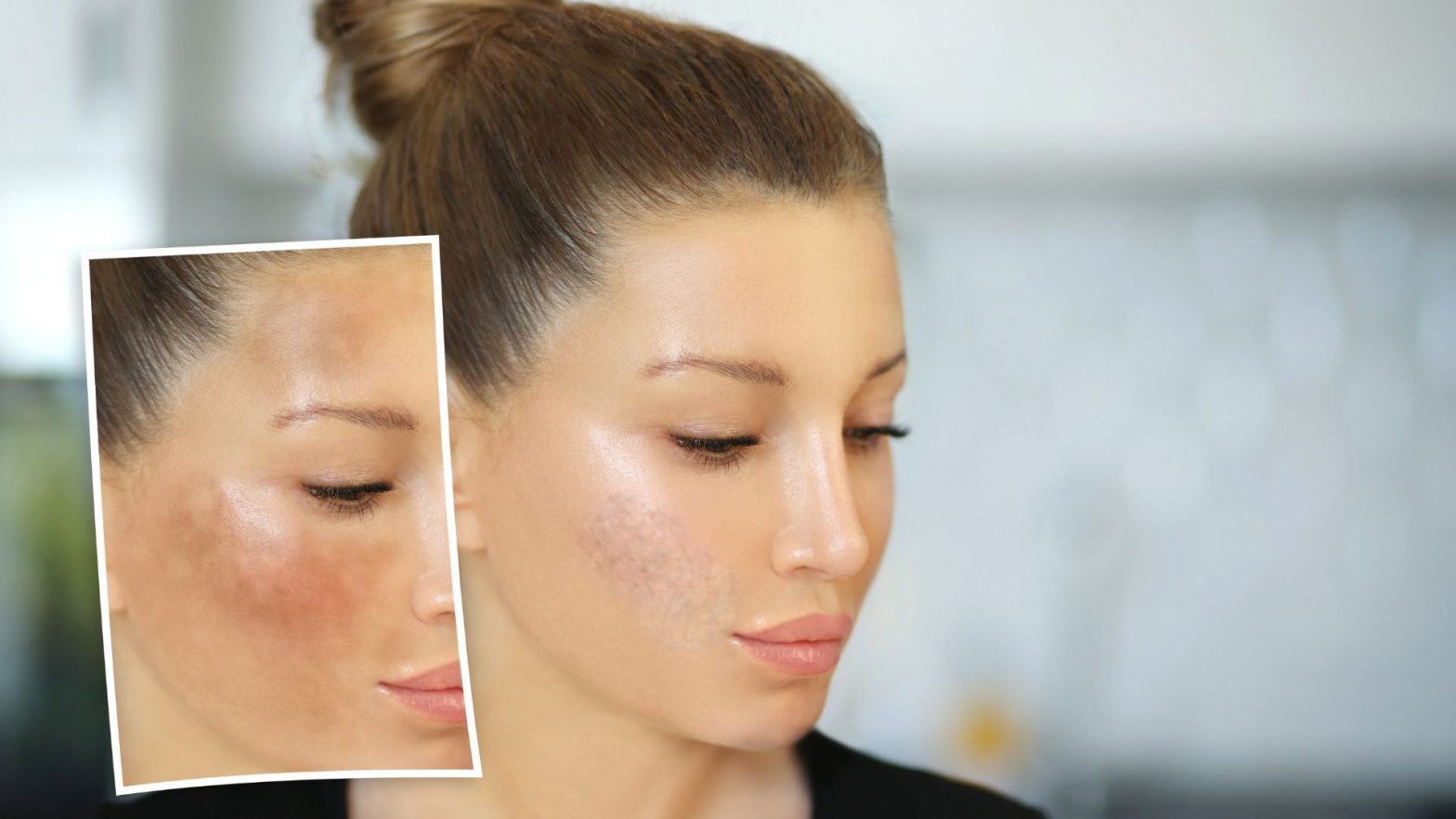
Melasma and dark spots are two of the most commonly confused skin concerns. Many people search for melasma vs dark spots because treatments that work for one often fail for the other. While both involve pigmentation, they behave very differently and require different skincare approaches.
This blog explains how to tell the difference between melasma and dark spots, what causes each condition, and how Dosepop skincare products support a careful and effective treatment approach. Understanding what you are treating is the first step toward seeing real improvement.
The main difference between melasma and dark spots lies in how pigment forms and behaves in the skin. Dark spots are usually the result of localized inflammation, while melasma is a more complex condition influenced by hormones and sun sensitivity.
Dark spots tend to fade gradually with consistent skincare. Melasma is more persistent and can worsen if treated aggressively. Knowing which condition you are dealing with helps prevent unnecessary irritation and disappointment.
Dark spots commonly develop after the skin experiences inflammation or injury. Acne healing, sun exposure, insect bites, and irritation from harsh products are frequent triggers.
These spots are often referred to as post-inflammatory hyperpigmentation. They usually appear as small, well-defined marks and are limited to specific areas.
With the right skincare routine and sun protection, dark spots often fade over time.
Melasma is influenced by internal and external factors, particularly hormones and ultraviolet exposure. It commonly appears during pregnancy, with hormonal changes, or prolonged sun exposure.
Unlike dark spots, melasma tends to form larger patches with softer edges. It often appears symmetrically on the cheeks, forehead, or upper lip and can return even after improvement.
Because melasma is highly reactive, it requires a more cautious long term skincare approach.
Dark spots usually appear as isolated marks that correspond to a previous blemish or irritation. They are often darker than the surrounding skin but remain well defined.
Melasma appears as broader patches that blend into the surrounding skin. It often affects both sides of the face evenly and becomes darker with sun exposure.
If pigmentation worsens quickly after irritation or sun exposure, melasma may be more likely.
Many people make the mistake of using strong brightening products or aggressive exfoliation on melasma. While this may help dark spots, it often worsens melasma.
Inflammation triggers pigment-producing cells to become more active. When melasma-prone skin is irritated, discoloration can deepen instead of fading.
This is why gentle, consistent care is essential when treating melasma.
Inflammation plays a role in both conditions, but affects them differently. In dark spots, inflammation is usually localized and temporary.
In melasma, inflammation can trigger widespread pigment activity. Even mild irritation can prolong or worsen discoloration.
Reducing inflammation is one of the most important steps in treating both conditions effectively.
Sun exposure affects all pigmentation, but melasma is especially sensitive to ultraviolet light. Even short periods of sun exposure can darken melasma patches.
Dark spots may fade with sun protection alone, while melasma often requires ongoing protection to prevent recurrence.
Daily sun protection is essential for managing both concerns but is critical for melasma prone skin.
Dark spots generally respond well to gentle brightening and consistent skincare routines. Supporting skin renewal helps pigment fade gradually as the skin turns over.
Avoiding picking, harsh exfoliation, and irritation prevents new dark spots from forming. Patience is important, as improvement happens over weeks rather than days.
Dosepop supports gradual brightening approaches that respect skin comfort.
Melasma requires a slower and more cautious approach. The focus should be on calming the skin, supporting the barrier, and avoiding triggers such as irritation and sun exposure.
Brightening products should be introduced carefully and used consistently rather than aggressively. Long-term routines are more effective than short-term treatments.
Dosepop emphasizes balance and consistency for melasma care.
Melasma HQ 4.1 Cream is designed to support the appearance of uneven tone and dark patches through targeted brightening. It is often used by individuals dealing with more noticeable pigmentation concerns.
This product focuses on gradual improvement and should be paired with sun protection to support results and reduce recurrence.
Melasma TA Gel offers a gentler option for individuals with sensitive or reactive skin. Its lightweight gel texture absorbs easily and supports tone balance without heaviness.
This option is often preferred by those who experience irritation with stronger treatments and need a more calming approach.
Dark spots may begin to fade within several weeks of consistent care. Melasma usually takes longer and may require months of routine stability.
Early improvement often appears as a clearer tone and reduced redness rather than complete fading. This is a sign that the skin is responding well.
Patience and consistency are key for both conditions.
Switching products frequently or increasing strength too quickly can delay progress. Both melasma and dark spots respond best to steady, predictable care.
Allowing the skin time to adjust reduces inflammation and supports pigment regulation. Consistency leads to more reliable long-term results.
If discoloration worsens, irritation develops, or progress stalls, it may be time to adjust the routine. Skin needs change with seasons, hormones, and environment.
Gentle adjustments help prevent setbacks. Dosepop offers multiple options so individuals can choose what fits their skin tolerance and goals.
Understanding the difference between melasma and dark spots is essential for choosing the right skincare approach. While both involve pigmentation, they require different expectations and treatment strategies.
Dosepop products such as Melasma HQ 4.1 Cream and Melasma TA Gel support targeted and gentle care for pigmentation concerns. With patience, sun protection, and a balanced routine, clearer and more even-looking skin becomes achievable over time.

Simplify your skincare routine with science-backed, effective products recommended by the Dosepop medical team.