719.867.5389
719.867.5389
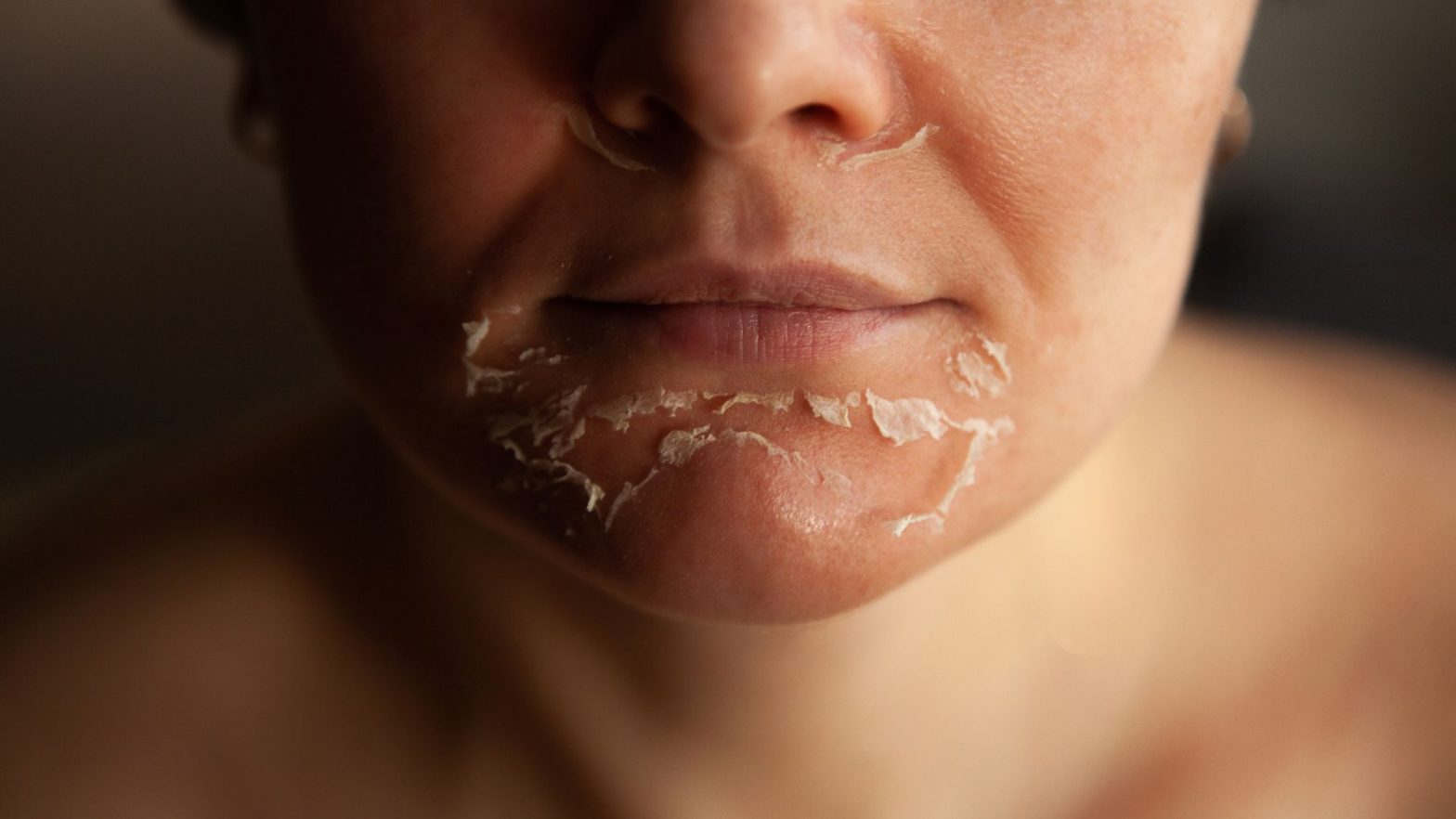
Retinol and chemical peels can completely transform your skin — improving texture, fading spots, and revealing a smoother, brighter complexion. However, one common challenge most people face is post-treatment redness. While mild redness is normal, knowing how to calm and care for your skin correctly determines how healthy and radiant your results will be.
In this guide, Dosepop explains why redness occurs, how to reduce it effectively, and which Dosepop skin-care products help you recover faster without irritation.
Retinol speeds up cell turnover, encouraging new skin formation and exfoliating old cells. This rapid renewal can temporarily weaken your skin barrier, leading to redness, dryness, or peeling. If you apply too much or start with a high strength, irritation is almost inevitable.
Chemical peels use exfoliating acids to dissolve the outer layer of the skin. The process triggers controlled inflammation — a natural part of healing — but it can cause redness and warmth for several days. The deeper the peel, the longer the redness may last.
Both treatments strip the top protective layer of the skin. When this barrier weakens, moisture escapes easily, and irritants penetrate more deeply, causing redness and discomfort.
If your skin is red or stinging, stop all active ingredients such as exfoliating acids, benzoyl peroxide, or strong retinoids. Give your skin 3–5 days of complete rest with gentle, nourishing care.
Use calming, fragrance-free products that restore moisture and strengthen the barrier. At Dosepop, several dermatologist-approved products are perfect for this stage:
Once the redness begins to fade, support cell repair and collagen renewal with restorative serums:
Post-retinol and post-peel skin is highly photosensitive. Always use a broad-spectrum sunscreen during the day, even indoors. Direct sunlight can worsen redness and slow healing.
Do not combine multiple strong treatments at once. Avoid scrubs, microdermabrasion, or exfoliating toners while your skin is red. Gentle cleansing and consistent moisturization are enough until your skin stabilizes.
Once your skin feels comfortable again, begin reintroducing actives like retinoids or exfoliants slowly. Start every third night and increase gradually as tolerated. Dosepop’s Tretinoin TAAN Mild Cream and Tretinoin TAAN Sensitive are ideal starting points for gentle retinoid therapy.
A rich cream formulated for post-treatment skin, helping to restore hydration and calm redness quickly.
A lightweight gel that soothes heat and irritation while delivering anti-aging actives for long-term results.
Designed for inflammation, sensitivity, and barrier repair — perfect for calming skin after chemical peels.
Formulated for redness-prone or rosacea-affected skin. Helps strengthen capillaries and soothe visible flushing.
A peptide-powered serum that encourages regeneration, enhances elasticity, and reduces irritation.
After redness subsides, these treatments can help even out discoloration and promote smooth tone.
For acne-prone skin, these help maintain clarity and prevent post-peel breakouts once skin has healed.
While not for redness treatment directly, these products can complement your recovery routine by enhancing lashes and eyes, improving overall appearance as your skin heals.
Days 1–3: Focus on calming and hydrating
Days 4–7: Support repair and collagen boost
Week 2 onward: Gradually reintroduce actives
If redness lasts more than two weeks, worsens with mild products, or feels painful and warm, consult a skin-care professional. Persistent inflammation can signal an infection or over-exfoliation that needs medical attention.
Mild redness usually lasts 2–5 days. Deeper peels or stronger retinoids can take up to two weeks for full recovery. Everyone’s skin heals at a different pace depending on sensitivity and aftercare.
No. Always wait until redness, peeling, and sensitivity have fully subsided before reapplying retinol. Restart slowly using Tretinoin TAAN Mild Cream or Tretinoin TAAN Sensitive once your skin barrier feels normal.
Use gentle moisturizers like Anti-Aging Ultra Cream, barrier-repair formulas like Dermatitis TN Cream, and cooling serums such as GHK Cu Facial Serum. Keep your routine simple and consistent.
Yes. Peeling indicates that old skin is shedding to reveal new layers underneath. Avoid picking or scrubbing. Moisturize generously and protect from sunlight to avoid worsening redness.
Rosacea ABIMN Gel, Dermatitis TN Cream, and GHK Cu Facial Serum are among Dosepop’s top solutions for redness, sensitivity, and barrier repair.
Redness after retinol or chemical peels is a normal part of the skin-renewal journey — but it doesn’t have to derail your routine. With gentle care, patience, and clinically-tested formulas from Dosepop, you can calm irritation, strengthen your barrier, and reveal smoother, brighter, and healthier skin.
Whether you’re targeting wrinkles, acne, pigmentation, or just improving skin tone, Dosepop’s dermatologist-approved line — including Anti-Aging Ultra Cream, GHK Cu Facial Serum, and Tretinoin TAAN Mild Cream — helps you achieve visible results safely and comfortably.

Simplify your skincare routine with science-backed, effective products recommended by the Dosepop medical team.