719.867.5389
719.867.5389
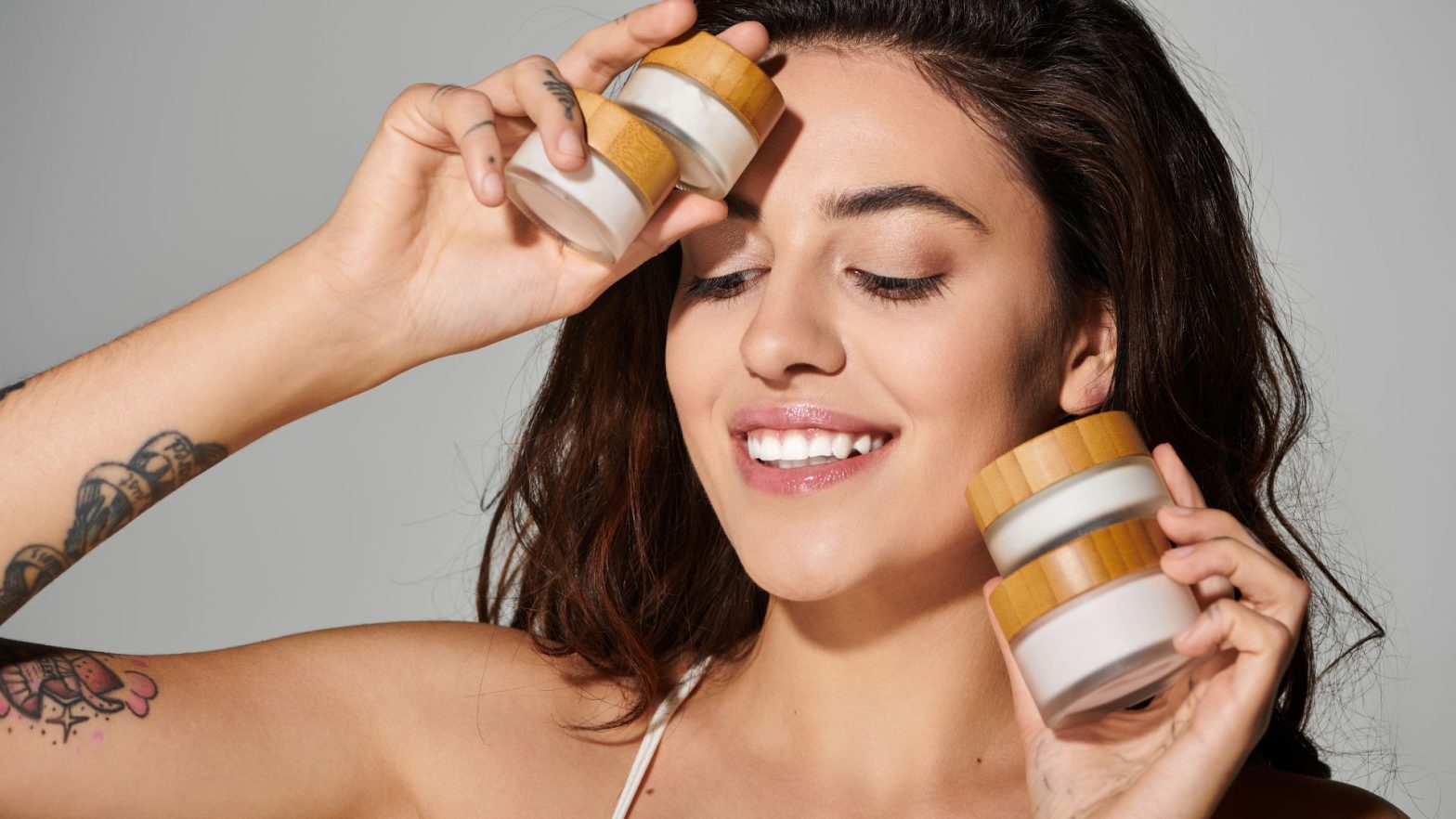
Layering skincare actives can completely transform your skin—when done correctly. Ingredients like Vitamin C, Retinol, and AHAs are proven to improve brightness, reduce fine lines, and clear acne, but using them incorrectly can lead to redness, peeling, or irritation.
If you’ve ever wondered whether Vitamin C and Retinol can be used together, or what order to apply AHAs, this guide from Dosepop breaks down how to layer actives safely for maximum results.
Each skincare ingredient targets specific concerns:
When layered correctly, these actives can address multiple issues—acne, pigmentation, and premature aging—while keeping your skin barrier healthy.
Before mixing active ingredients, know your skin’s tolerance and type:
The right order determines how well products absorb and perform. A general rule is:
Cleanser → Toner → Actives → Moisturizer → SPF (Morning)
Cleanser → Actives → Treatment → Moisturizer (Night)
While layering can amplify results, certain combinations may irritate your skin.
Avoid:
Safe combinations instead:
Layering activities safely is all about moderation and patience.
For inflammation or redness, Dosepop Dermatitis Atopic Cream provides fast-acting relief and skin barrier repair.
| Skin Concern | Morning Routine | Night Routine | Recommended Dosepop Products |
| Acne-Prone Skin | Cleanser → Vitamin C → Moisturizer → SPF | Cleanser → Retinol → Acne Gel → Moisturizer | Acne Xtreme Gel, Tretinoin TAAN Mild |
| Pigmentation / Melasma | Cleanser → Vitamin C → GHK Cu Serum → SPF | Cleanser → AHA → Melasma TA Gel → Melasma HQ 4.1 Cream | Melasma HQ 4.1 Cream, Melasma TA Gel |
| Anti-Aging / Fine Lines | Cleanser → Vitamin C → NAD+ Cream → SPF | Cleanser → Retinol → Anti-Aging Ultra Cream | NAD+ Cream, Anti-Aging Ultra Cream |
| Rosacea / Sensitive Skin | Cleanser → GHK Cu Serum → Moisturizer → SPF | Cleanser → Dermatitis TN Cream → Rosacea ABIMN Gel | Dermatitis TN Cream, Rosacea ABIMN Gel |
| Eyelash Growth / Repair | N/A | Apply Bimatoprost (Latisse®) or Generic Solution nightly | Bimatoprost Latisse® or Generic Solution |
If you’re new to retinol, apply your moisturizer first, then retinol, then another thin layer of moisturizer. This “sandwich” technique buffers your skin and minimizes irritation.
Use Tretinoin TAAN Sensitive Cream or Tretinoin TAAN Mild Cream along with NAD+ Cream to strengthen your skin barrier.
Visible results depend on consistency and concentration:
Enhance results with barrier-boosting products like Anti-Aging Ultra Cream and GHK Cu Facial Serum for long-lasting smoothness and radiance.
Yes, but not at the same time. Use Vitamin C in the morning to protect from free radicals and Retinol at night for cell renewal. This combination helps brighten skin and improve elasticity safely.
Apply from lightest to heaviest: cleanser → toner → actives → serum → moisturizer → SPF. At night, replace SPF with Retinol or Tretinoin, such as Dosepop Tretinoin TAAN Mild Cream.
Start slowly, alternate strong ingredients, and use barrier creams like Dosepop Dermatitis TN Cream or Rosacea ABIMN Gel to calm and protect the skin.
For easily irritated or red skin, try Tretinoin TAAN Sensitive Cream, Dermatitis Atopic Cream, and GHK Cu Facial Serum—each supports hydration and reduces inflammation.
Results vary from 4–12 weeks, depending on consistency. For faster and balanced results, pair active ingredients with Dosepop NAD+ Cream or Anti-Aging Ultra Cream to support recovery.
Final Thoughts
Layering actives like Vitamin C, AHA, and Retinol can help you achieve clear, radiant, and youthful skin—but balance is key. Introduce each ingredient gradually, maintain hydration, and choose dermatologist-approved solutions from Dosepop to achieve visible, long-lasting results without compromising your skin barrier.

Simplify your skincare routine with science-backed, effective products recommended by the Dosepop medical team.