719.867.5389
719.867.5389
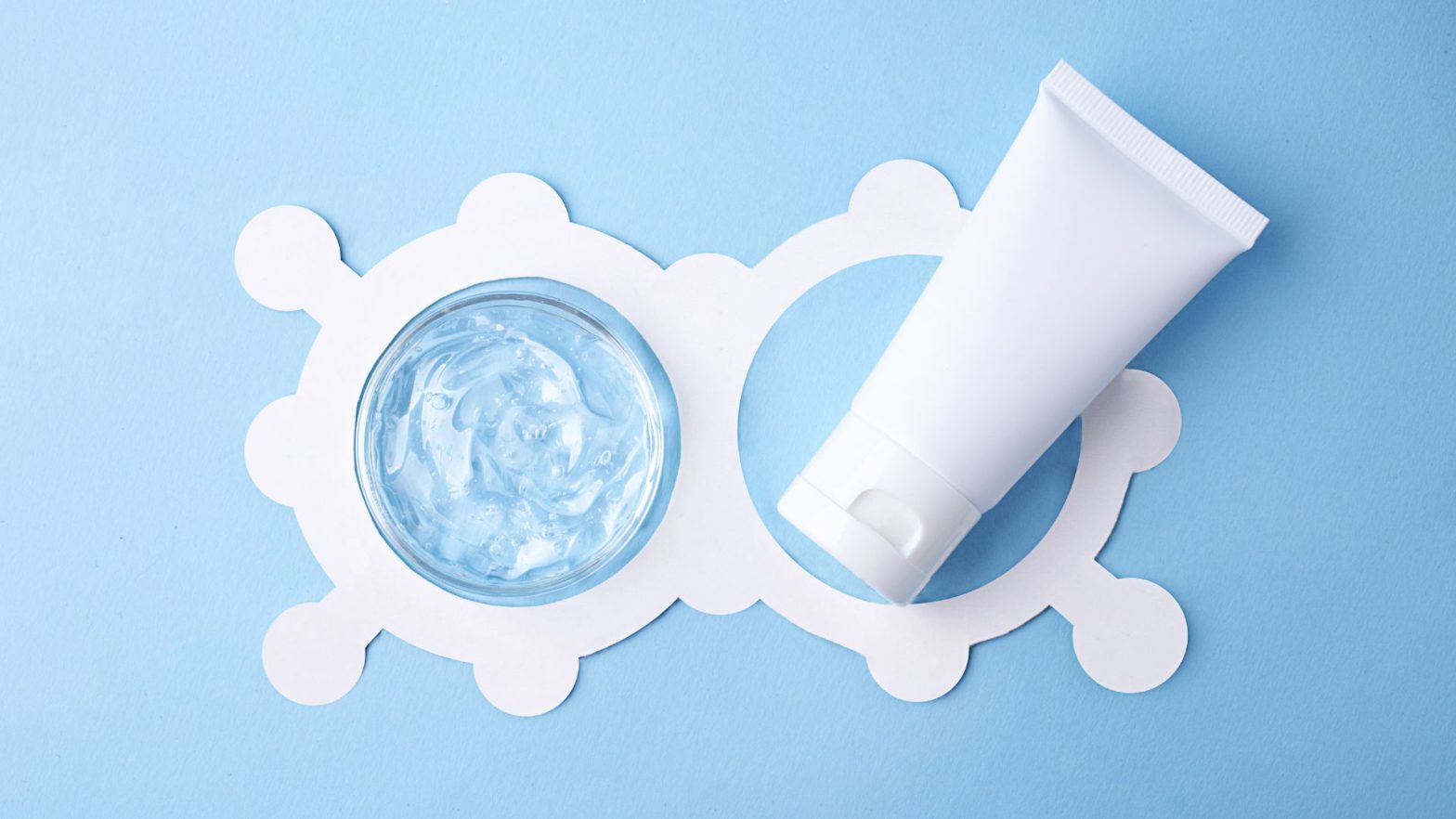
Choosing the right acne treatment often feels overwhelming, especially when deciding between acne gels and acne creams. When people search for acne gels vs acne creams, they are usually trying to understand which texture will actually work for their skin without causing irritation, dryness, or more breakouts.
This blog explains the differences between acne gels and acne creams, how each texture works with different skin types, and how Dosepop acne treatments can support clearer-looking skin when chosen correctly. Understanding texture is just as important as choosing the right ingredients.
The texture of an acne product affects how it absorbs, how it feels on the skin, and how well it delivers active ingredients. A product that works well for one skin type may cause irritation or congestion for another.
Texture plays a role in oil balance, hydration, and comfort. Acne gels and acne creams are formulated differently to meet different skin needs.
Choosing the right texture can improve consistency and reduce the risk of over-treating the skin.
Acne gels are lightweight, water-based formulations designed to absorb quickly into the skin. They are often preferred by people with oily or acne-prone skin because they do not leave a heavy or greasy feeling.
Gels deliver active ingredients efficiently without clogging pores. This makes them especially helpful for treating active breakouts and inflammation.
Dosepop acne gels are formulated to support acne-prone skin while maintaining balance and comfort.
Acne creams are thicker formulations that provide more moisture while delivering treatment ingredients. They are often used by people with dry, sensitive, or combination skin.
Creams help support the skin barrier and reduce dryness that can occur with acne treatments. This makes them suitable for individuals who experience irritation easily.
While creams can be effective, they may feel too heavy for very oily skin types.
Oily skin types often benefit more from acne gels because of their lightweight texture. Gels absorb quickly and help control excess oil without adding heaviness.
For people with oily skin and frequent breakouts, acne gels can help reduce shine and support clearer pores. Heavy creams may feel occlusive and uncomfortable.
Dosepop acne gels are designed to work well for oily and acne-prone skin types when used consistently.
Dry and sensitive skin types often struggle with traditional acne treatments that cause flaking or irritation. Acne creams can help support hydration while treating breakouts.
Cream-based treatments reduce dryness and help maintain the skin barrier. This can make acne care more comfortable and sustainable for sensitive skin.
People with sensitive skin may need to balance treatment strength with moisture support.
Combination skin presents unique challenges because some areas are oily while others are dry. Choosing the right texture may depend on where acne appears most often.
Some individuals use gels on oilier areas and creams on drier areas. Others prefer a lightweight gel paired with a gentle moisturizer.
Understanding skin behavior helps guide better texture choices.
Acne gels are often recommended for active breakouts because they target inflammation without adding excess moisture. Their lightweight texture allows them to penetrate clogged pores more effectively.
This makes gels especially useful for acne that feels inflamed or appears suddenly. Gels also work well under other skincare products.
Dosepop acne gels are designed to support this targeted approach.
Acne DNS Gel is formulated to address acne that develops beneath the surface and causes inflammation. Its gel texture allows it to absorb quickly and focus on calming irritated skin.
This gel works well for individuals who experience painful bumps or recurring breakouts. It supports clearer-looking skin without clogging pores.
Consistency is key when using Acne DNS Gel as part of a daily routine.
Acne Xtreme Gel is designed for more persistent acne concerns. Its lightweight gel texture makes it suitable for acne-prone skin that reacts poorly to heavy products.
This gel supports acne care while helping calm visible redness. It should be used as directed to avoid over-application.
Dosepop emphasizes pairing Acne Xtreme Gel with a simple, gentle routine.
Acne creams may be a better choice for individuals whose skin becomes dry, irritated,d or flaky with gel-based treatments. Creams help buffer active ingredients and reduce sensitivity.
People using strong acne treatments may benefit from a cream texture to maintain skin comfort. Hydration plays a role in reducing irritation related breakouts.
Understanding skin tolerance helps determine when creams are appropriate.
Climate and lifestyle also influence whether acne gels or acne creams work better. Hot, humid environments often make gels more comfortable, while dry climates may increase the need for cream-based support.
Physical activity, stress, and skincare routines all impact how the skin responds. Choosing a texture that fits daily life improves consistency.
Dosepop encourages flexible routines that adapt to real-world conditions.
Layering matters when using acne gels or creams. Gels are typically applied before heavier products, while creams may be used as the final step.
Applying products in the correct order helps maximize effectiveness and reduce irritation. Using too many layers can overwhelm the skin.
A simple routine often leads to better results.
Using multiple acne products or switching textures too often can disrupt the skin barrier. Over treating can increase inflammation and prolong breakouts.
Choosing the right texture and sticking with it allows the skin to adjust and heal. Consistency is more important than intensity.
Dosepop promotes a balanced approach to acne care.
Results from acne treatments depend on consistency and skin type. Many people notice reduced inflammation before seeing fewer breakouts.
Using the right texture makes it easier to maintain a routine. This supports gradual improvement without irritation.
Dosepop encourages patience when adjusting acne treatments.
If acne worsens or irritation develops, it may be time to reevaluate the texture choice. Skin needs can change with seasons, stress, and hormones.
Virtual skincare guidance can help identify when adjustments are needed. Dosepop offers targeted acne products designed for different needs.
Understanding your skin helps prevent unnecessary trial and error.
Choosing between acne gels and acne creams depends on skin type, lifestyle, and sensitivity. Gels work well for oily, acne-prone skin, while creams support dry or sensitive skin.
Dosepop acne gels such as Acne DNS Gel and Acne Xtreme Gel offer lightweight targeted options for acne-prone individuals. With the right texture and a consistent routine, clearer looking skin becomes more achievable over time.

Simplify your skincare routine with science-backed, effective products recommended by the Dosepop medical team.